



Newsletter  |  December 2024


                                                    ☀  JVL Wildcat Monthly Newsletter: DECEMBER 2024  ☀

 Image  Image

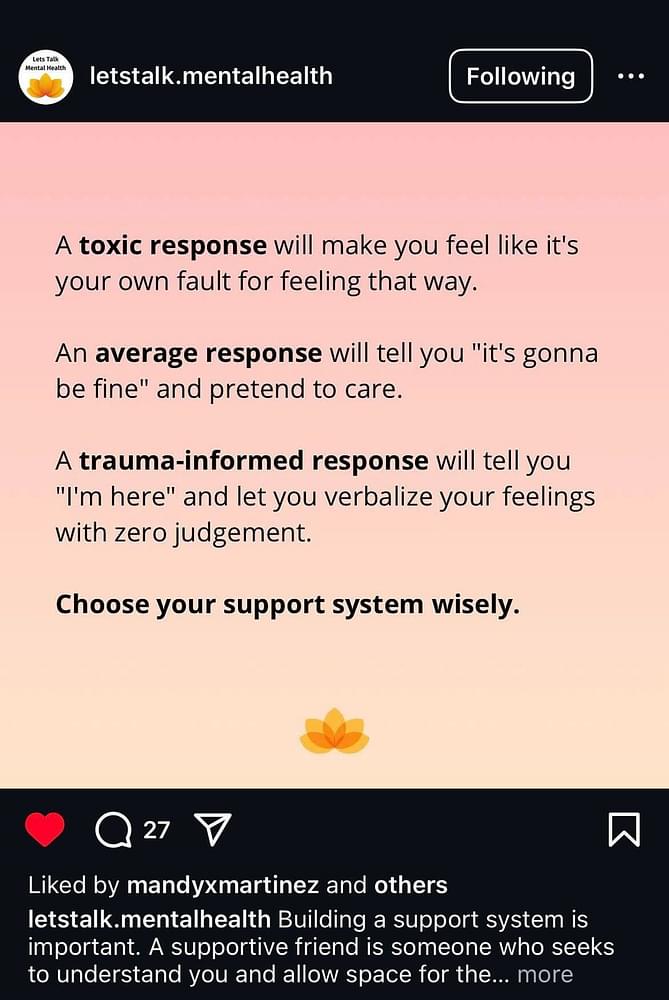
Instagram Post Highlight

 Image  Image

Risk & Resiliency: Rewriting Childhood Adversity

Nature Mental Health, December 2024


The enormity of the impact of Adverse Childhood Experiences (ACES)  on physical and mental health underscores how important preventing childhood adversity is to broader public health efforts.  In Great Expectations, Charles Dickens challenged readers with harsh truths about the indelible marks of poverty or abuse: “It may be only small injustice that the child can be exposed to; but the child is small, and its world is small....”

This article discusses the significant impact of childhood adversity on both physical and mental health, a topic that has gained increasing awareness in recent years. 


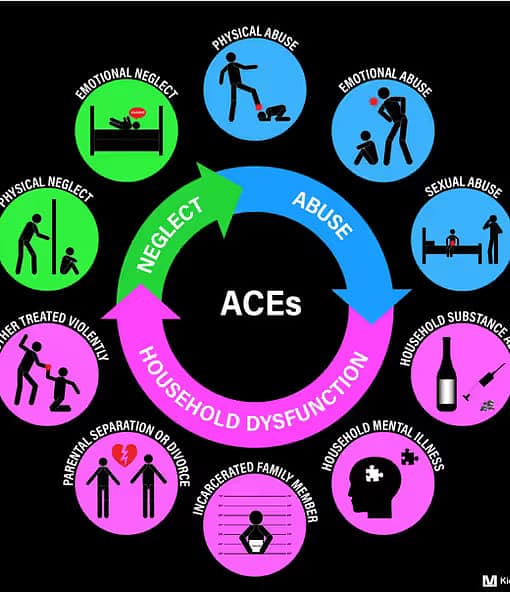
Common ACES include:
☀ Experiencing a traumatic event - violence, abuse, or neglect
☀ Witnessing violence in home or community
☀ Having a family member attempt or die by suicide
☀ Growing up in a family with mental health or substance use problems
☀ Household Dysfunction
☀ ECONOMIC DEPRIVATION


In the U.S., nearly two-thirds of adults report experiencing at least one ACE, with those facing racial discrimination or identifying as sexual and gender minorities being at higher risk.

ACEs are linked to increased risks of mental health conditions, suicidality, and chronic diseases like cardiovascular issues and cancer. They also contribute to substantial economic costs. Research has connected ACEs to toxic stress, which impairs biological systems, and to psychiatric disorders, including PTSD, anxiety, and depression. Recent studies have focused on epigenetic changes, particularly DNA methylation, which may explain how childhood adversity can lead to long-term psychological effects. A study published in Nature Mental Health identified specific DNA methylation patterns that mediate the link between ACEs and depression in adolescence, showing potential for both biomarkers of risk and resilience.

Despite these findings, the understanding of how epigenetic changes relate to ACEs is still evolving, and more research is needed before these insights can be used clinically. The article concludes by emphasizing the importance of preventing ACEs to improve public health and highlights the ongoing research, advocacy, and intervention efforts that offer hope for mitigating childhood adversity.


READ FULL ARTICLE HERE


Curious what's happening in NY schools? You can read more here.

-

Resource of the Month: Brain & Behavior Research Foundation 

Mission:

The Brain & Behavior Research Foundation is committed to alleviating the suffering caused by mental illness by awarding grants that will lead to advances and breakthroughs in scientific research. Their mission is to dramatically improve the lives of those with mental illness and ultimately enable people to live full, happy, and productive lives. 

https://bbrfoundation.org/

Since 1987, B&BR has awarded more than $461 million to fund more than 6,700 grants to more than 5,600 scientists around the world.

100% of every dollar donated for research is invested in their research grants. Their operating expenses are covered by separate foundation grants. 

The Brain & Behavior Research Foundation is the nation’s top non-governmental funder of mental health research grants.

More than 5,600 scientists in more than 605 institutions around the world have received B&BR's grants. 


What they fund:

Their model encourages new and innovative research in that they are able to support new ideas from bottom up generated by scientists.

* examples include the early support for optogenetics, which is deep brain stimulation for treatment-resistant depression, transcranial magnetic stimulation, and rapid-acting antidepressants.

* each of these important breakthroughs received initial key support from grants provided by B&BR


The Foundation funds the most innovative ideas in neuroscience and psychiatry to better understand the causes and develop new ways to treat brain and behavior disorders.

These illnesses include:

Addiction
Attention Deficit Hyperactivity Disorder (ADHD)
Anxiety
Autism
Bipolar Disorder
Borderline Personality Disorder
Depression
Eating Disorders
Obsessive-Compulsive Disorder (OCD)
Post-traumatic Stress Disorder (PTSD)
Schizophrenia
Suicide Prevention



* Call 646-681-4888  /  800-829-8289

Brain & Behavior Research Foundation

747 Third Avenue, 33rd Floor

New York, NY 10017 

* Website:  https://bbrfoundation.org/about

Learn more


=In order to be featured in the monthly newsletter, be sure to attend classes at least 80% of school days during the month.