





Emotional & Social Support: Are our Teens in the U.S. Getting Enough ?
American Psychological Association, Monitor on Psychology, May 2025
U.S. teens need far more emotional and social support Sometimes asking for help can feel like shouting into the wind and no one is there. Mental health help and advocacy can feel the same way for teenagers. Statistics prove that most teenagers feel they are not receiving adequate mental health support. According to a national survey done by researchers in the U.S. Centers for Disease Control and Prevention (CDC), 2 in 5 teens said they are not receiving the support they need. Contrary to that, 93.1% of parents in the survey believed their child received adequate social and emotional support. The nationwide survey also provided that Only 58.5% of U.S. teens always or usually receive the mental health support they need, so what about the other 41%? There is a large gap between what parents or school administration believe to be adequate support and what students believe to be adequate support.
Decline of Personal Connection
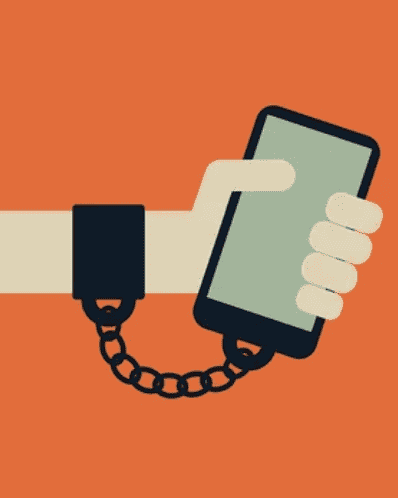
Today's teens face unprecedented conflict such as, climate anxiety, political pressure, and repercussions from the pandemic. At times it can feel as if the world is burning around us while we also battle personal strife, insecurity, problems at home or even navigate social media. As social media connects us in a powerful way it can also be polarizing when people abuse its power. It’s easy to turn your brain off to scroll after eight hours of school, an hour of homework and then focusing on at home responsibilities. For some teenagers scrolling on their phone is what they start to look forward to the most, more than in person connection or knowledge. Connecting with your peers at school, teachers, even small talk with strangers helps the brain muscles function. Becoming sucked into social media can cause real depression and isolation for people so it is important to find a balance between real life and what we see on the screen. Who needs it the most ? Certain groups face especially steep challenges:
● Girls, LGBTQ+ youth, Black and Hispanic teens all report the highest rates of mental health struggles and lowest levels of support.
● Only 43.9% of sexual and gender minority teens say they “always or usually” receive emotional support.
● Girls often seek deeper emotional conversations, while boys report feeling supported through shared activities.
The Role of Teachers, Coaches & Mentors
Non-parental adults are also vital. Teens with supportive mentors show better academic outcomes, higher self-esteem, lower rates of behavioral and mental health problems. Psychologists are among those working to boost connections between teens and adult mentors. One such intervention is Relationship Mapping, a new tool developed by Richard Weissbourd, PhD, a psychologist who directs the Making Caring Common Project at the Harvard Graduate School of Education. Relationship Mapping charts the relationships between students and staff, helping to identify which students do not have positive connections with any adults in the school community—a critical first step to reach youth most at risk of falling through the cracks. Rebuilding teens’ social and emotional well-being requires intentional connection—from parents, mentors, and communities alike. Digital tools have their place, but nothing replaces real human support.
Read more here!
https://www.apa.org/monitor/2025/04-05/teen-social-emotional-support
Resource of the Month: ASIYAH Women's Center
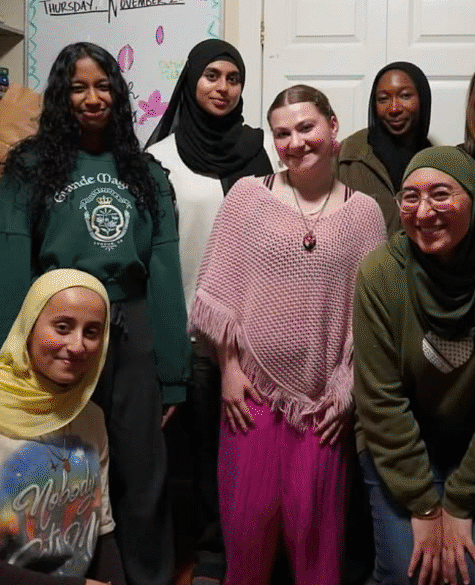
About Them: The Asiyah Women’s Center is an emergency center in New York City that addresses the gap in appropriate residential services for the Arab, Middle Eastern, Muslim, South Asian (AMEMSA), and Black, Indigenous, People of Color (BIPOC) populations.
Their Story: The United States is home to 3.45 million Muslims. New York City Muslims account for 23% of this number and come from all walks of life– 20% are Black, 15% are Arab, and 10% are South Asian. And on average, 1 out of every 3 American Muslim women experiences intimate partner violence.
There is a dire need for resources designed to help this specific population. Currently, the Asiyah Women’s Center is the oldest and largest center that can accommodate the holistic needs of domestic violence victims who identify with the AMEMSA or BIPOC population in New York City.
In the years since our founding in 2018, we have assisted over 1000 women and families, 94% of whom identify with the AMEMSA or BIPOC population.
The Asiyah Women’s Center is well-equipped with the cultural competency capacity to provide our diverse clientele with the services they need.
https://www.asiyahwomenscenter.org/
Helpline: +1 718 833 2425